the Video of the Tower of 10 Horses and a rich photo gallery, with aerial shots.
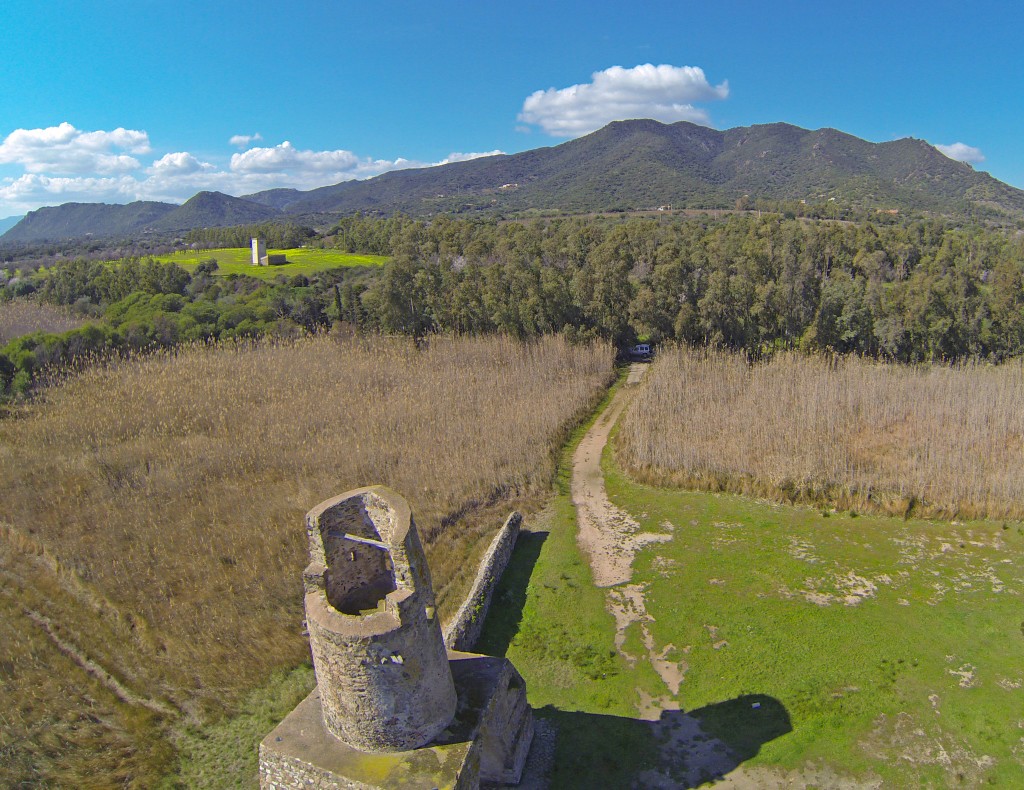
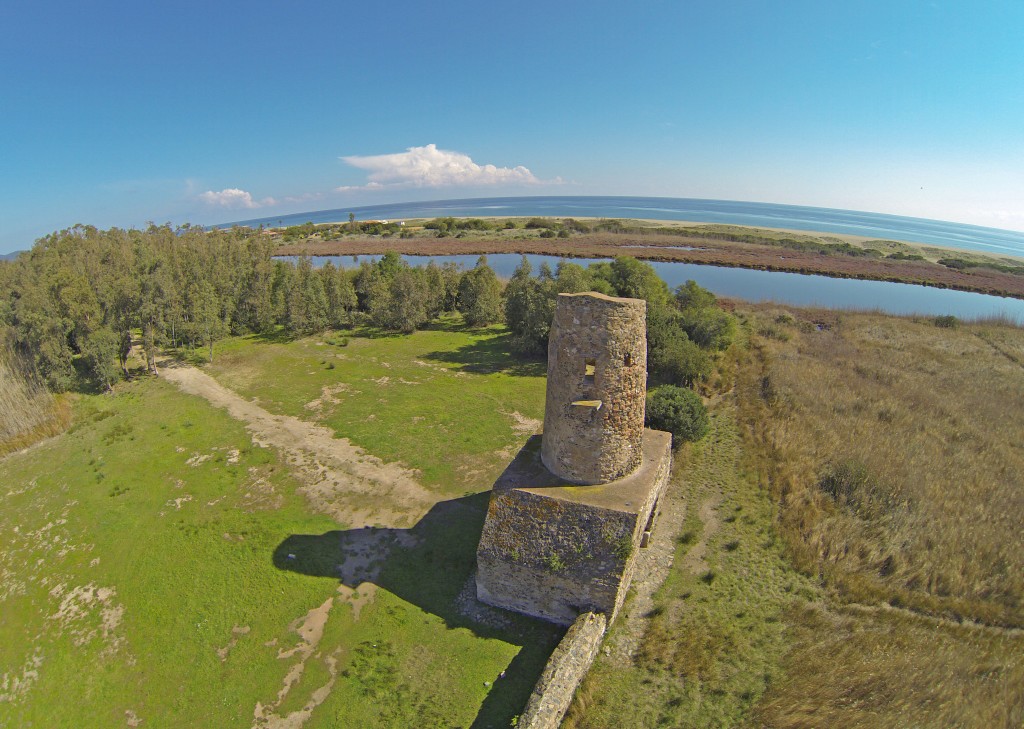
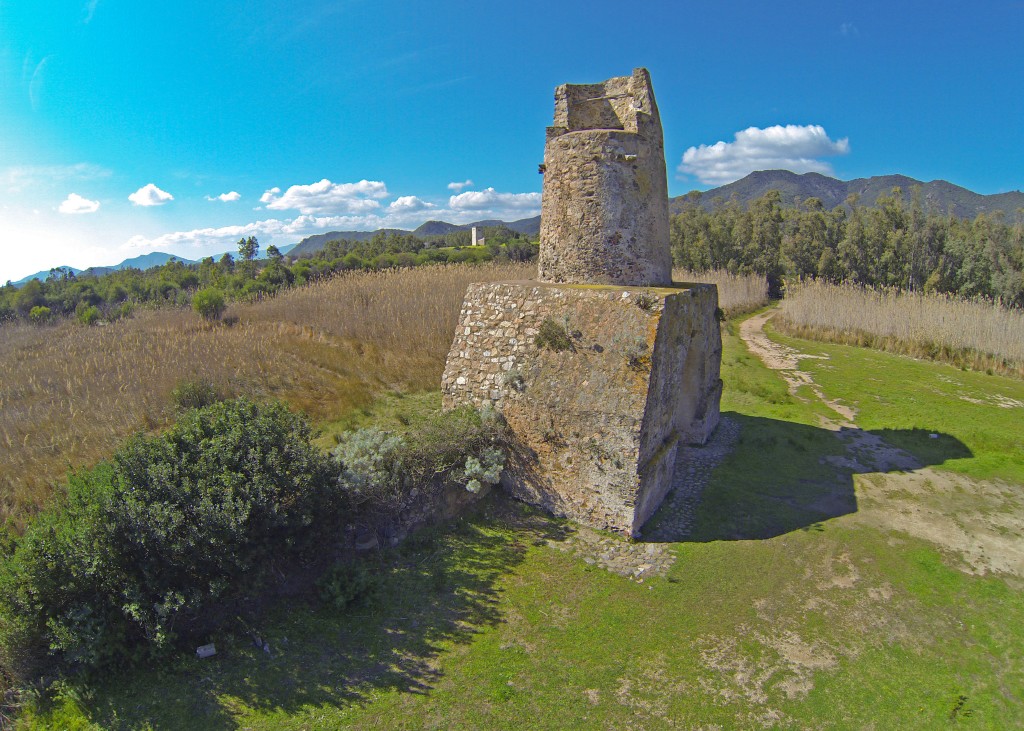
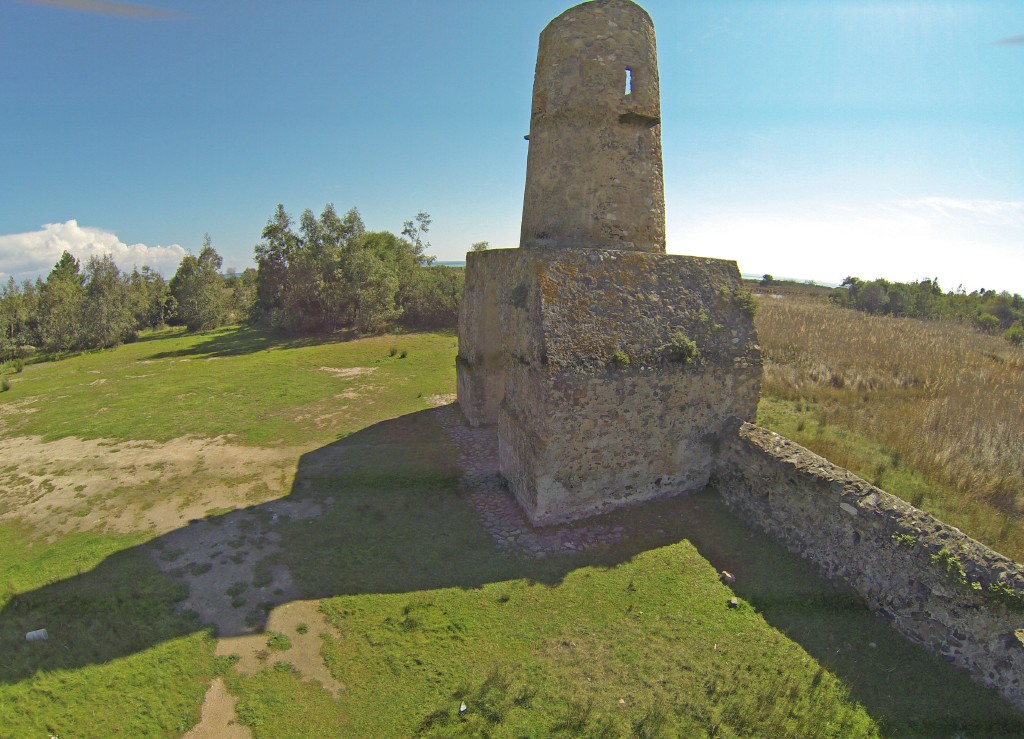
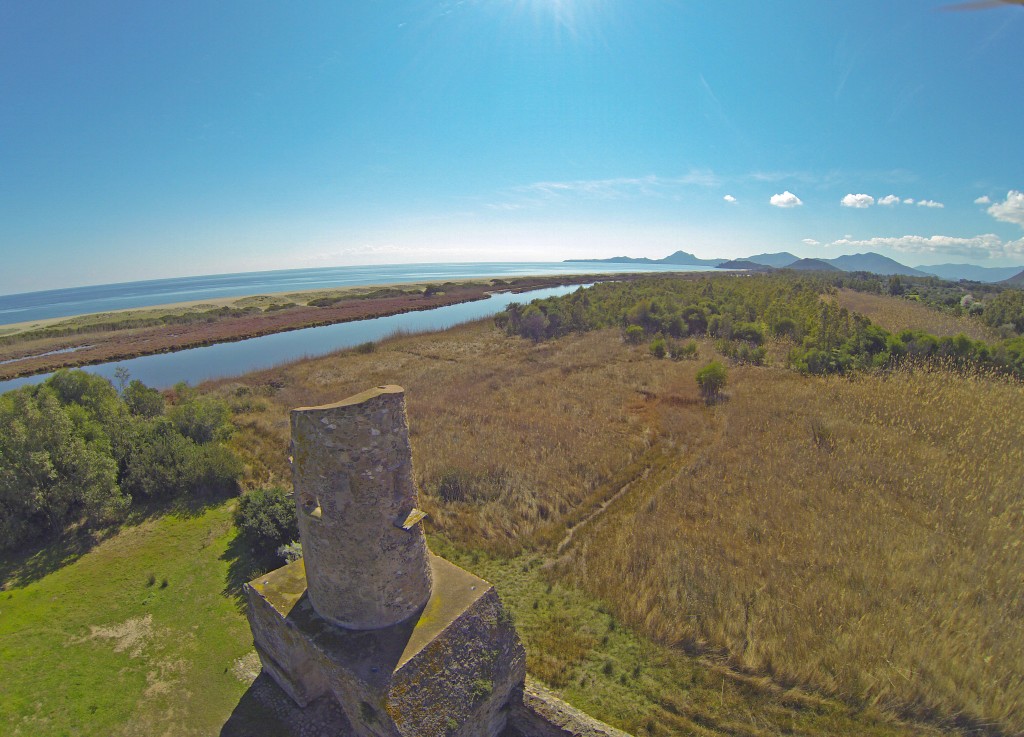
Along the S.S. 125 in direzione di Cagliari all’;height of the Marina di San Giovanni, along one of the Flumendosa canals, you can see the Torre dei Dieci Cavalli, one of a kind, not only in Sardinia but throughout the world, object and theater of many battles of the men of Sarrabus. Non si conosce l’;precise year of its construction, but it can be placed in the 16th century, in the Spanish era. It was built for defense from the frequent and feared invasions of the African barbarians who did not limit themselves to raiding things and animals, but they went much further through mass kidnappings of men, women and children who were enslaved but above all used in Mediterranean trade.

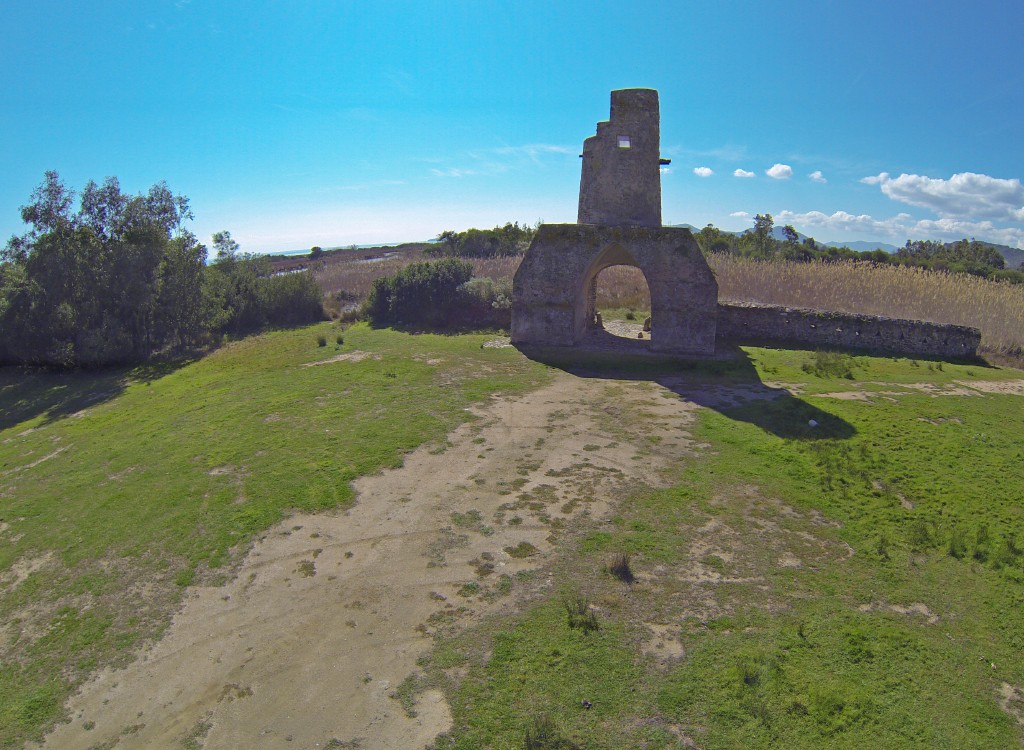
La Torre dei Dieci Cavalli era così chiamata perché era costantemente presidiata da dieci guardie a cavallo sempre pronte ad avvisare le popolazioni limitrofe dell’;imminente pericolo armati di fucili da posta e dotati di uno spingardo che sistemato sul lastrico d’;weapons about 10 m above the ground with its deadly fire could cover a large area. Also called Torre della Porta, it consists of a circular tower erected on a vaulted base with arches equipped with a door through which the Royal Road passed and accessed the territory of Muravera.
It was already in operation in 1581, well before that, Philip II, figlio dell’;Emperor Charles V, the Royal Administration of the Towers was launched. The request for extraordinary maintenance work and for the provision of ammunition and a telescope dates back to 1767.. Dai documenti d’;archive shows that the food and ammunition were paid for by the villas of Muravera, Saint Vitus and Saint Priam.
Cessa la sua attività nel 1774 quando il Conte Ferrero Della Marmora attraverso una lettera inviata ai ministri di giustizia e consiglieri della Villa di Muravera delibera l’;abandonment of the Gate Tower and dismissal of the garrison.
Most likely the first settlement of Muravera was in direct contact with the sea, from which he had to distance himself to escape the frequent attacks of invaders and corsairs, ma l’;current village, which presents itself as a small town and still feels the breath of the sea, the roar of the waves, the scents of saltiness.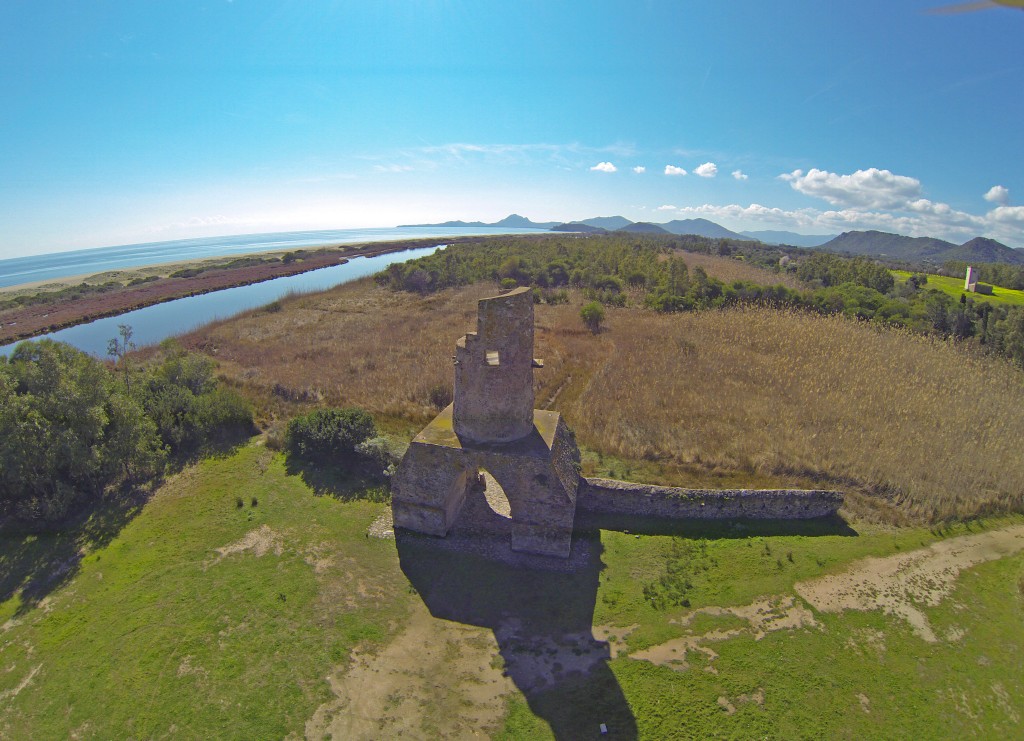
Muravera had a troubled Middle Ages with the transition to the Giudicato of Gallura, with the bloody interference of the Maritime Republic of Pisa. It was under Pisan domination until 1324, year of the Aragonese conquest and under the control of the Carroz (accounts of Quirra) and other hungry feudal lords until the last century and passed under the protection of various families until 1839, when the fiefdoms were abolished.
L’;ancient habitation of the area is demonstrated by some menhirs (Rei swimming pool and Nuraghe Scalas)e nuraghi tra cui segnaliamo quello di Sa Domu e S’;Orc, Figo Niedda and Scalas.